
Kenya and Tanzania - Day 9
I did not think it was possible to have worse roads than those in Tanzania but Kenya has won the challenge. The roads in the Amboseli National Park are by far the worst. The tour companies complained for years that the roads were too bumpy but nothing happened. Then the Kenyan president took a trip to the park and a miracle happened. All the roads were smoothed out in a week. Unfortunately that was many years ago and the roads have degraded once again.
We started seeing animals as soon as we entered the park. The first new species was the cudu.
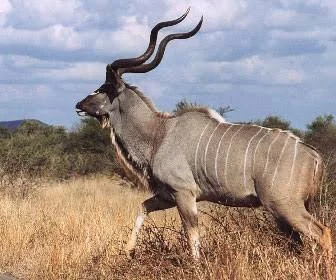
The cudu is one of the largest antelopes and can weigh up to 700 pounds. They and jump five in the air from a standing position. The horn of a cudu can be used as a musical instrument.
Our next animal encounter was a domestic herd of approximately 100 camels on the road. The herdsmen had to move them off the road for us to pass.
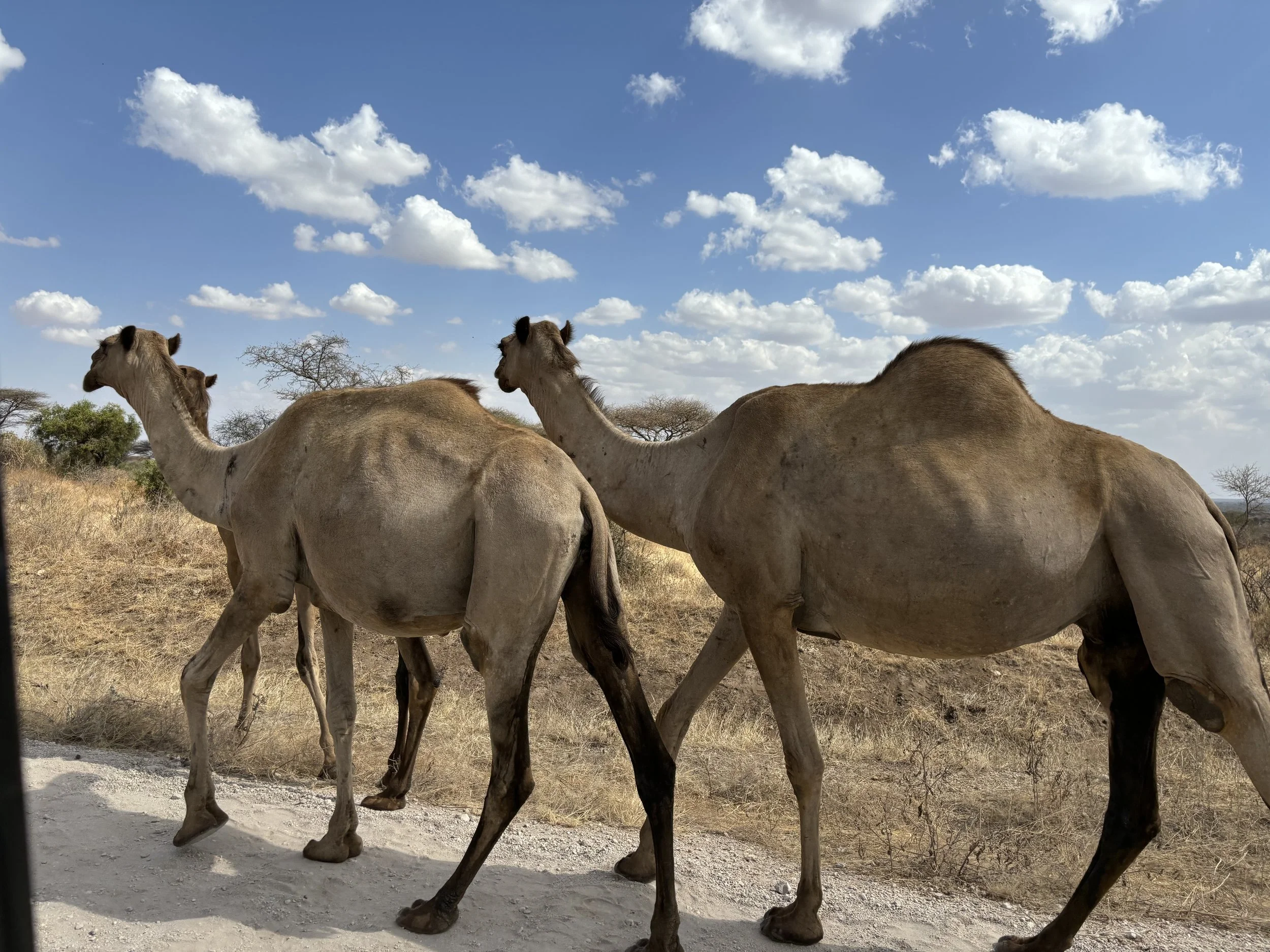
These are the one humped dromedary camel. The hump consists of fatty tissue that provides an energy source for the camel.
It has not rained in Amboseli since early March. The lakes have dried up and a result we could take a shortcut across the dry lake bed. “Heaven” - it is as smooth as the Bonneville salt flats in Utah. The name Amboseli means salty dust. Along the way we spotted an ostrich and ostrich nest.
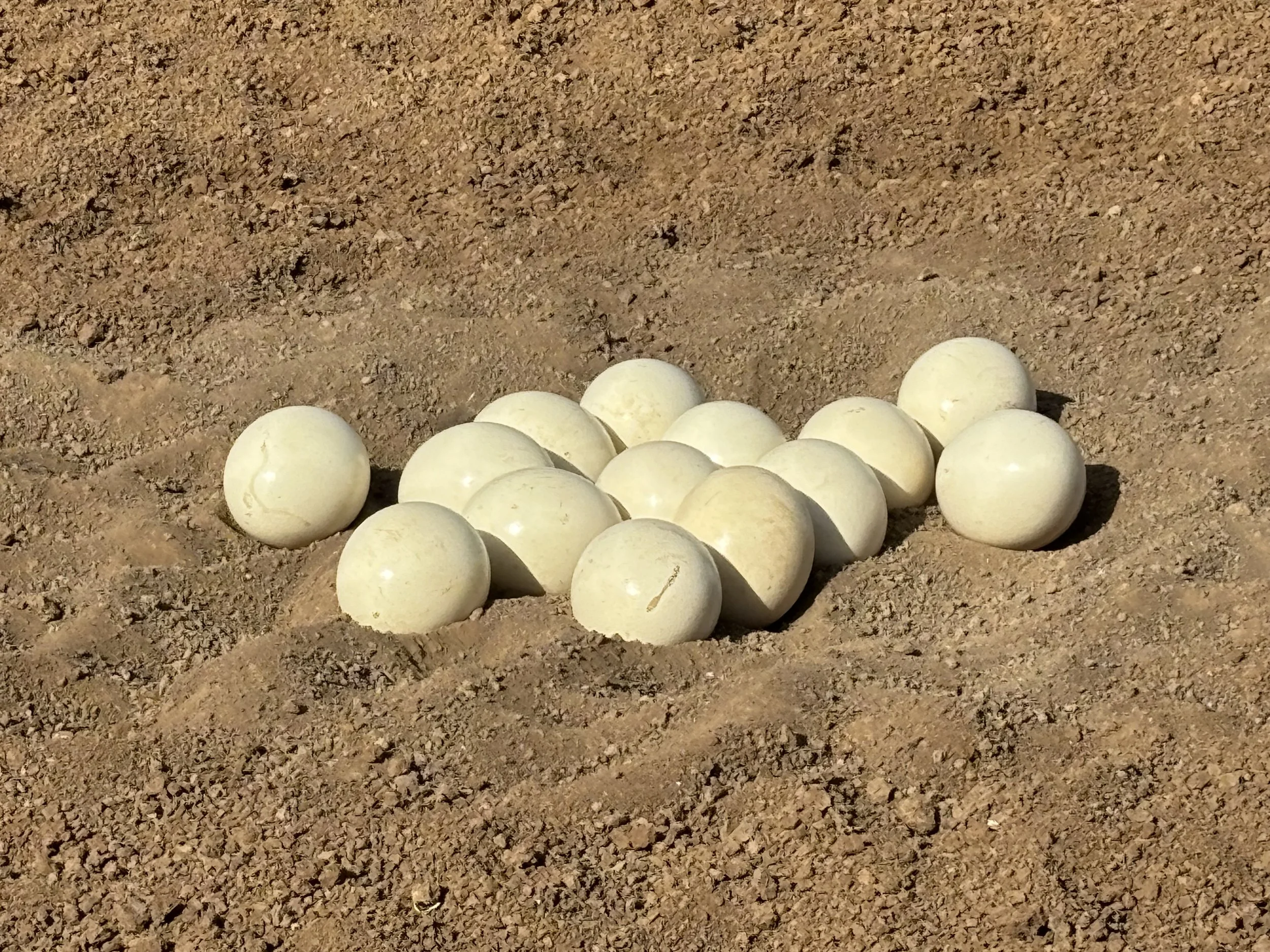
The nest contained 14 eggs from two females. The eggs will take six weeks to hatch. The eggs are laid directly in the sand. No nesting materials.
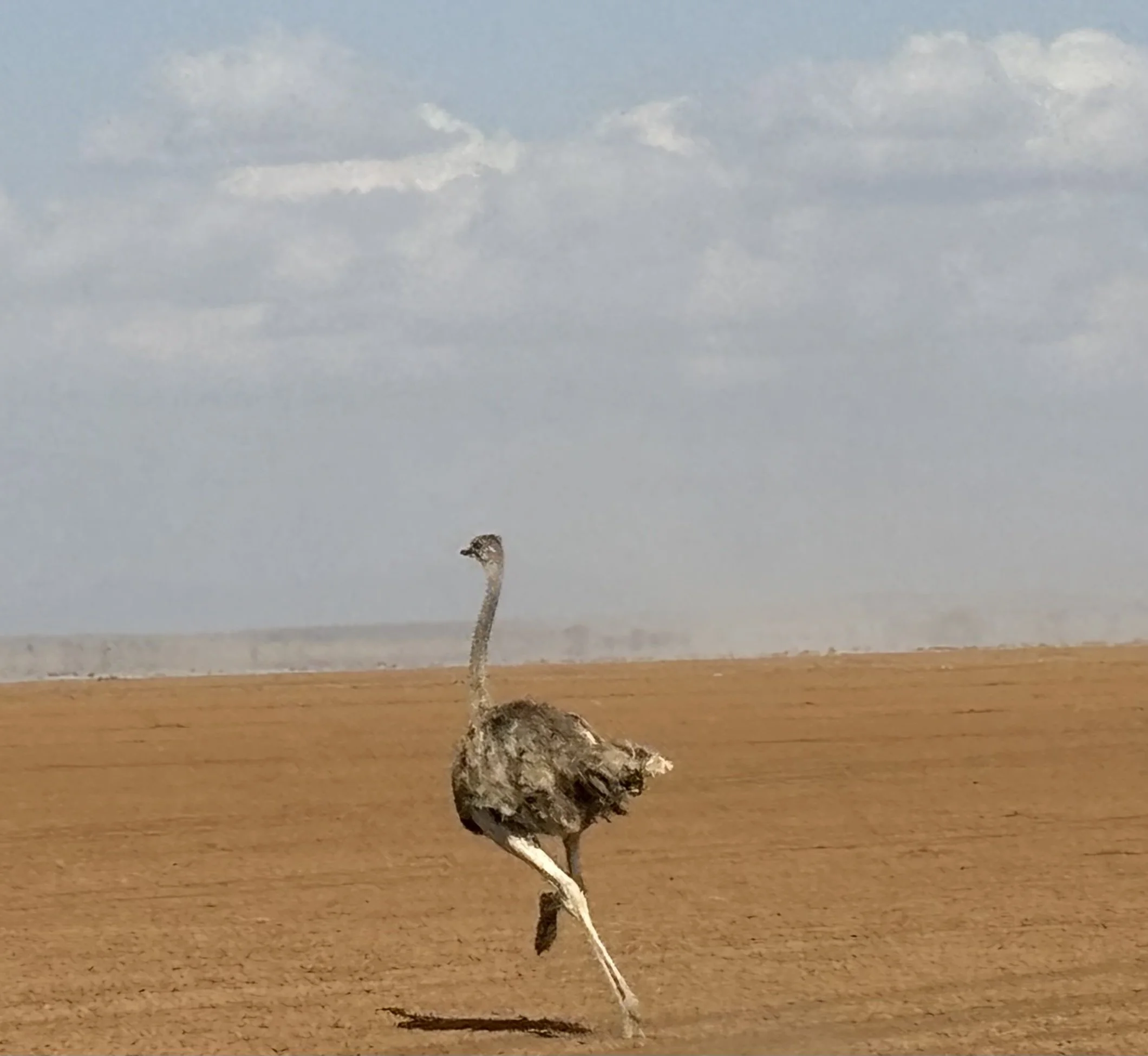
There were two females in the area. One was sitting on the nest. Both females laid eggs in the nest. The male sits on the eggs at night. We scared them away when we approached in our Jeep.
Our next new species was a bird.
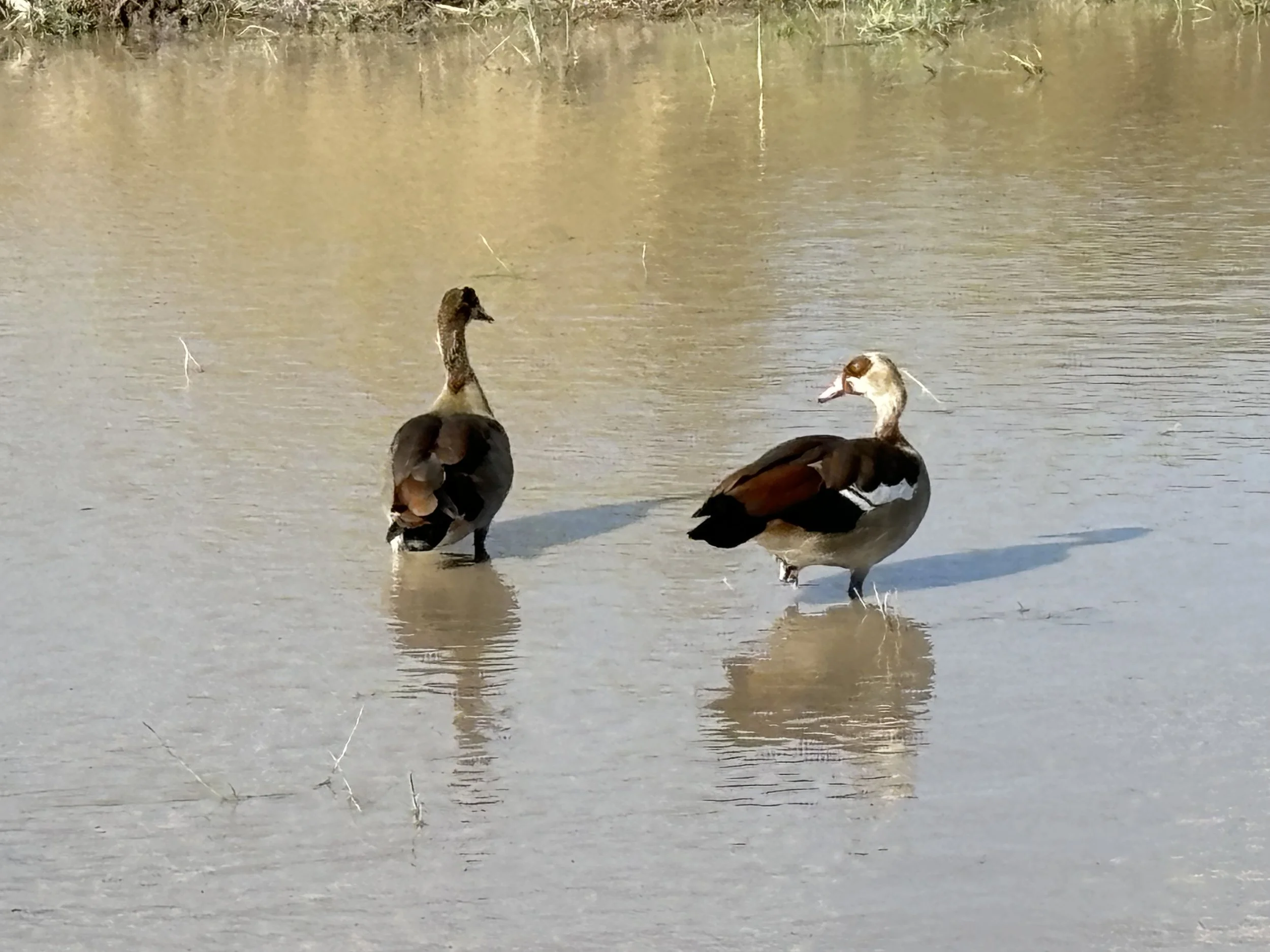
These Egyptian geese mate for life.
And next new species was also a bird.
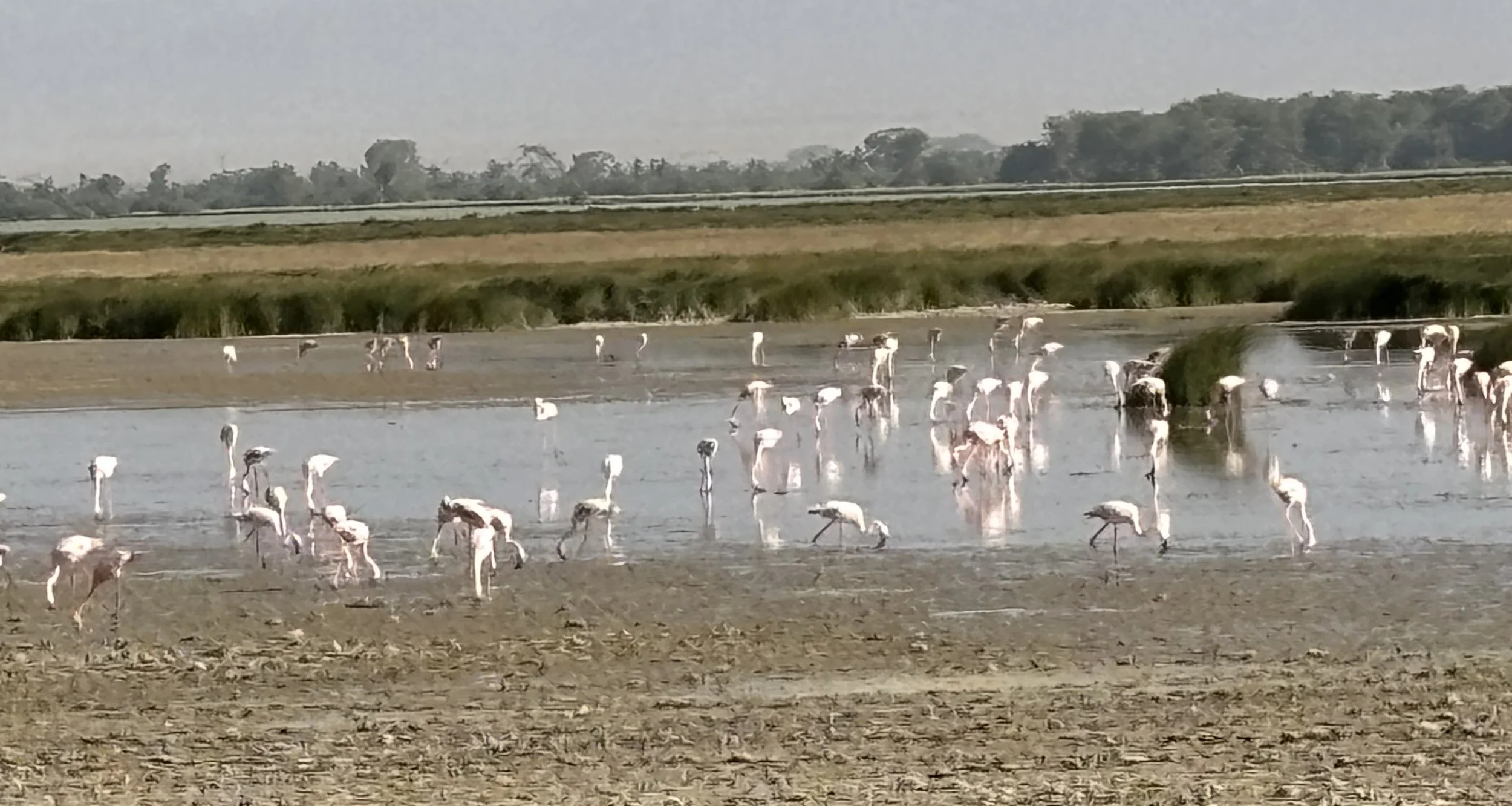
We saw hundreds of flamingos in the shallow ponds.
Amboseli is known for its vast herds of elephants. It did not take long to spot elephants on our drive to the hotel.
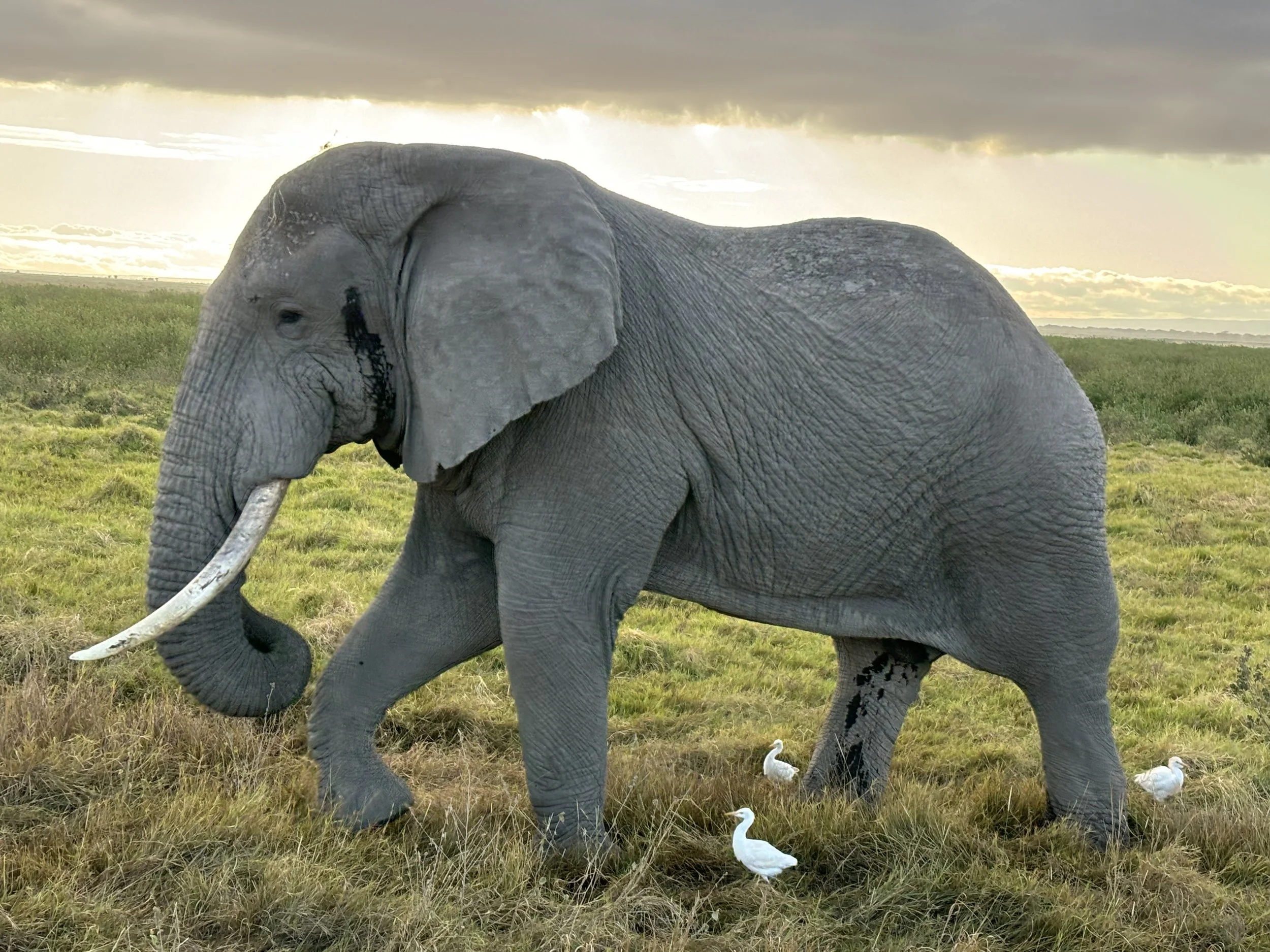
There are over 1,800 elephants in Amboceli.
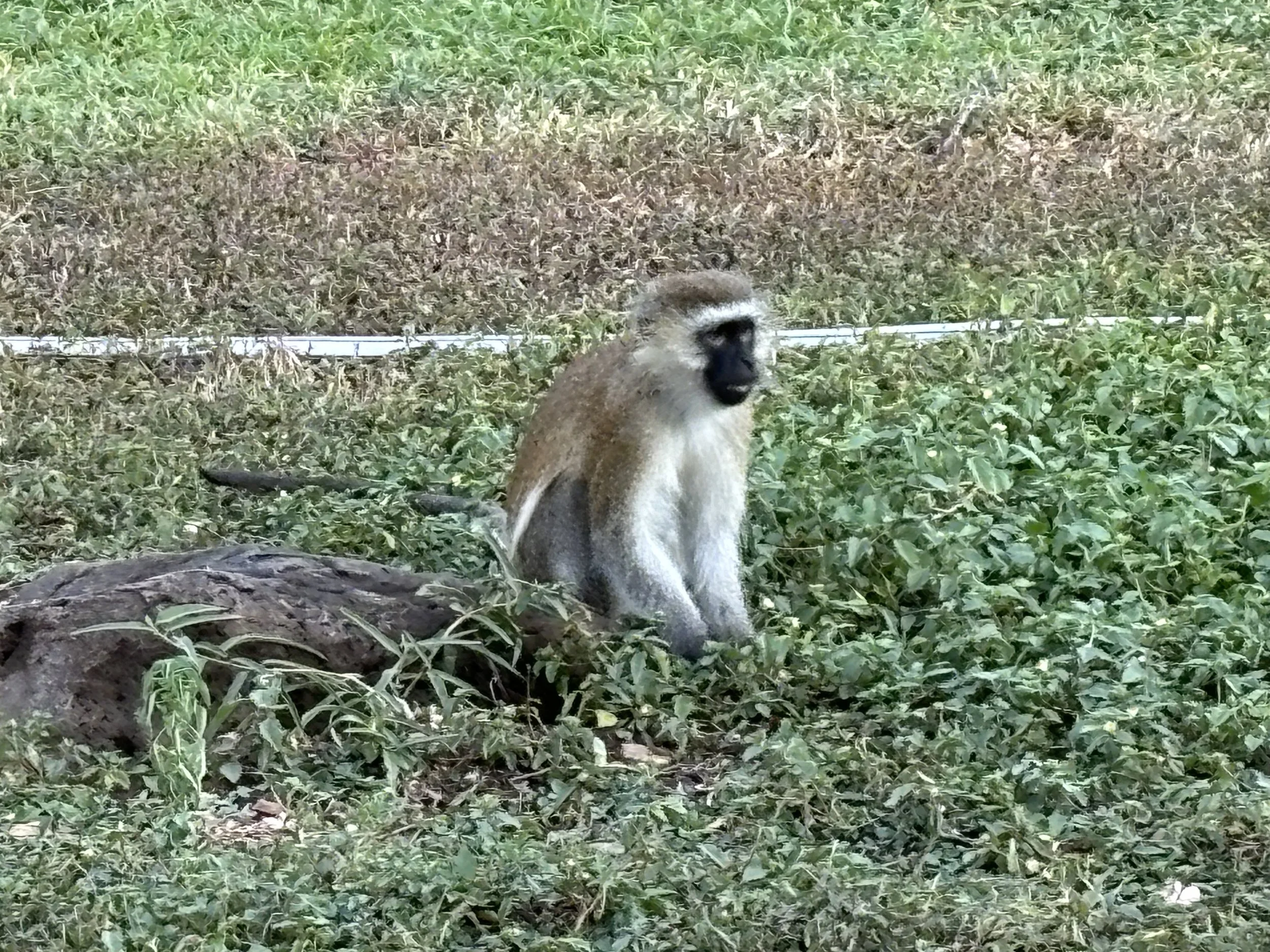
When we arrived in our hotel room we were greeted by a troup of monkeys in our backyard.
The Amboseli Serena Safari Lodge is not the Four Seasons. It is rustic.
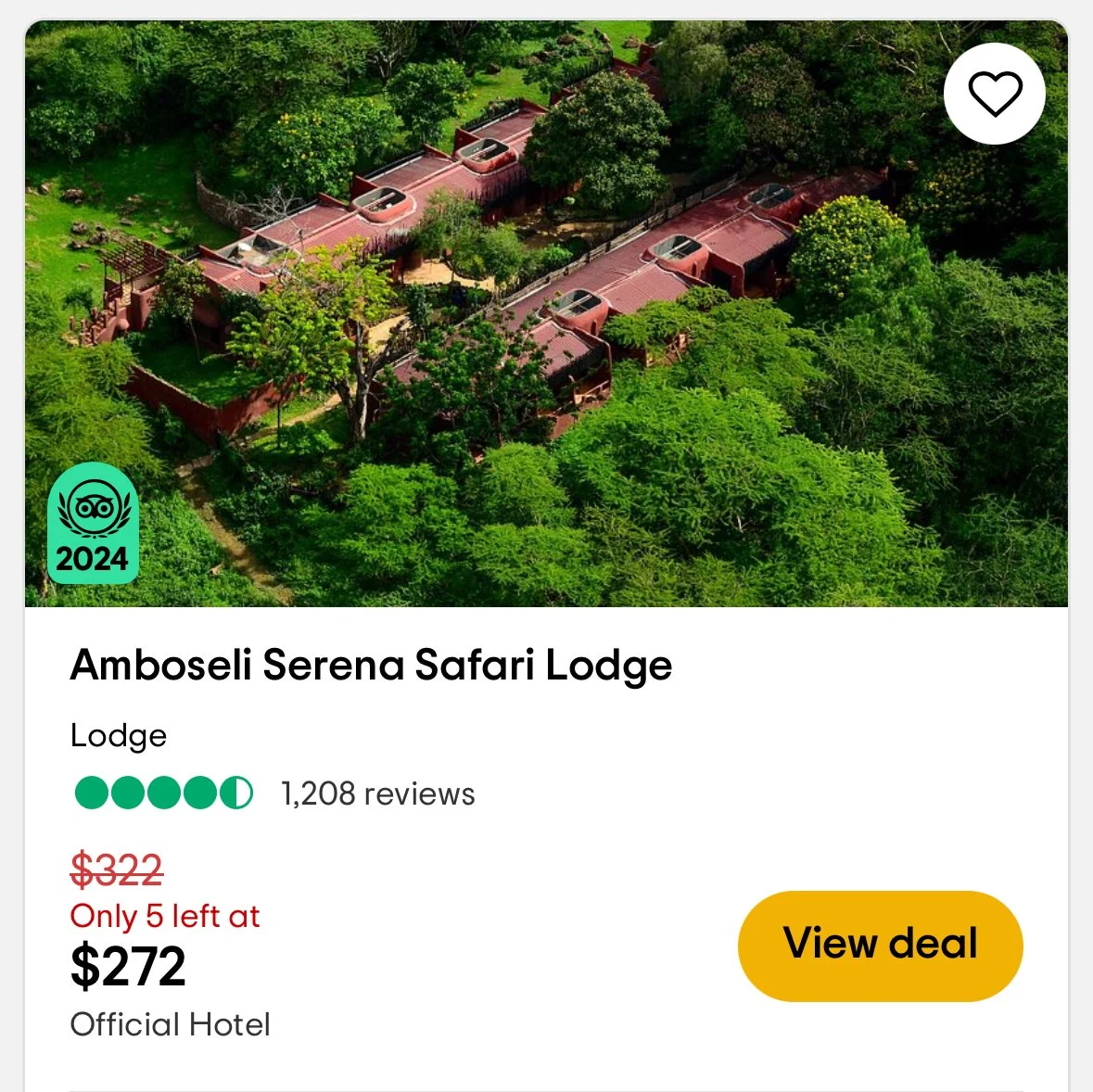
The price for the room is a bit more reasonable at $272.
In the evening we had a welcome reception and a presentation from a naturalist. He described the challenges the rhinos and elephants faced from poachers. Recently the park rangers shot and killed two poachers. That will send a message.
We had dinner in the only restaurant. It was a sprawling buffet. The entertainment was a complete surprise with a guitar player singing Jimmy Buffett and John Denver music, it sounded like my set list.
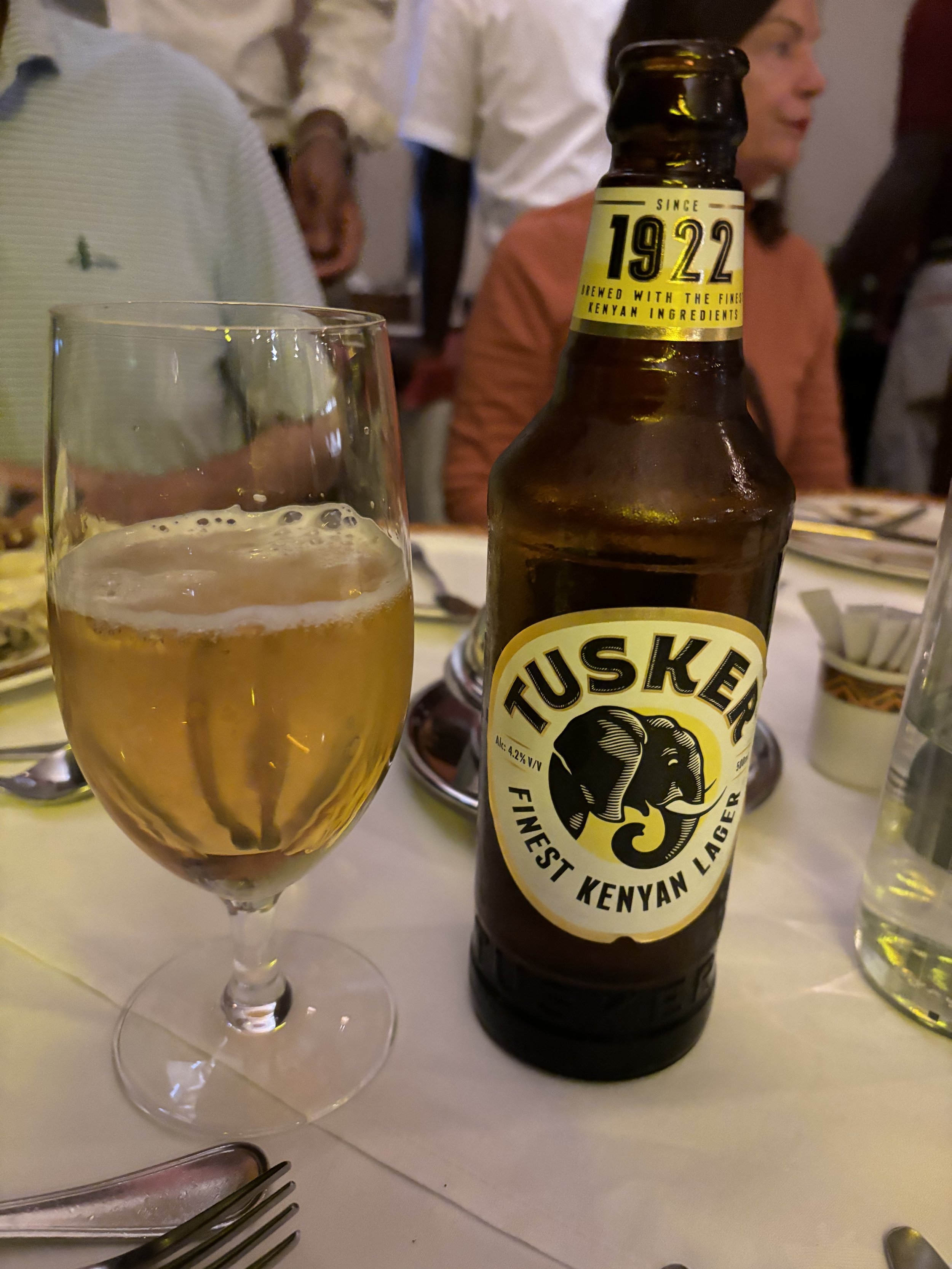
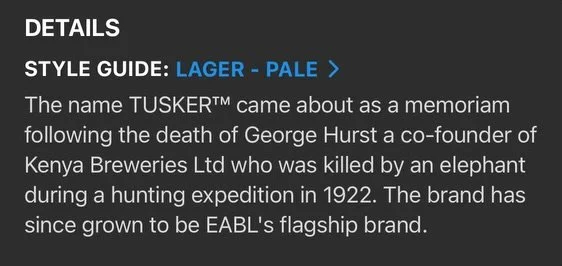
There are no IPA beers in this country. I have tried the Tusker. It has an interesting history.
One of the first things you need to learn in a new country is the exchange rate. Tanzania shilling was 2,725 to $1.00. In Kenya the shilling is. 130 to $1.00. An item costing 1,300 shillings would be $10.00.
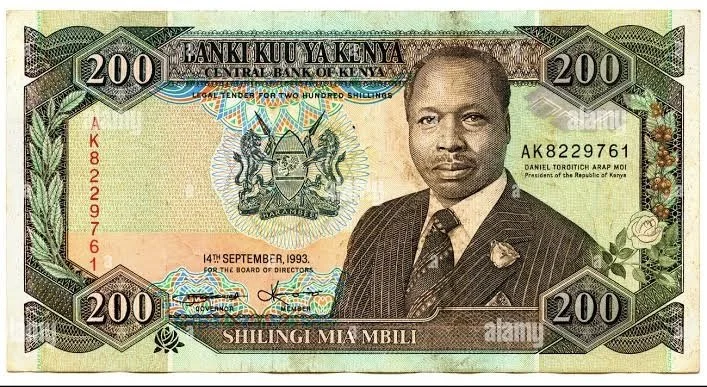
This 200 shilling note is worth $1.50.
Tomorrow we will visit a Maasai village.