
Kenya and Tanzania - Day 10
Friday morning we had an early start. We were onboard our Jeeps at 6:30 am. Zebras, cape buffalo and wildebeest greeted us as departed our hotel. There was also hot air balloon floating nearby. The advantage of the early game drive is the view of Mt Kilimanjaro at dawn before the clouds roll in.
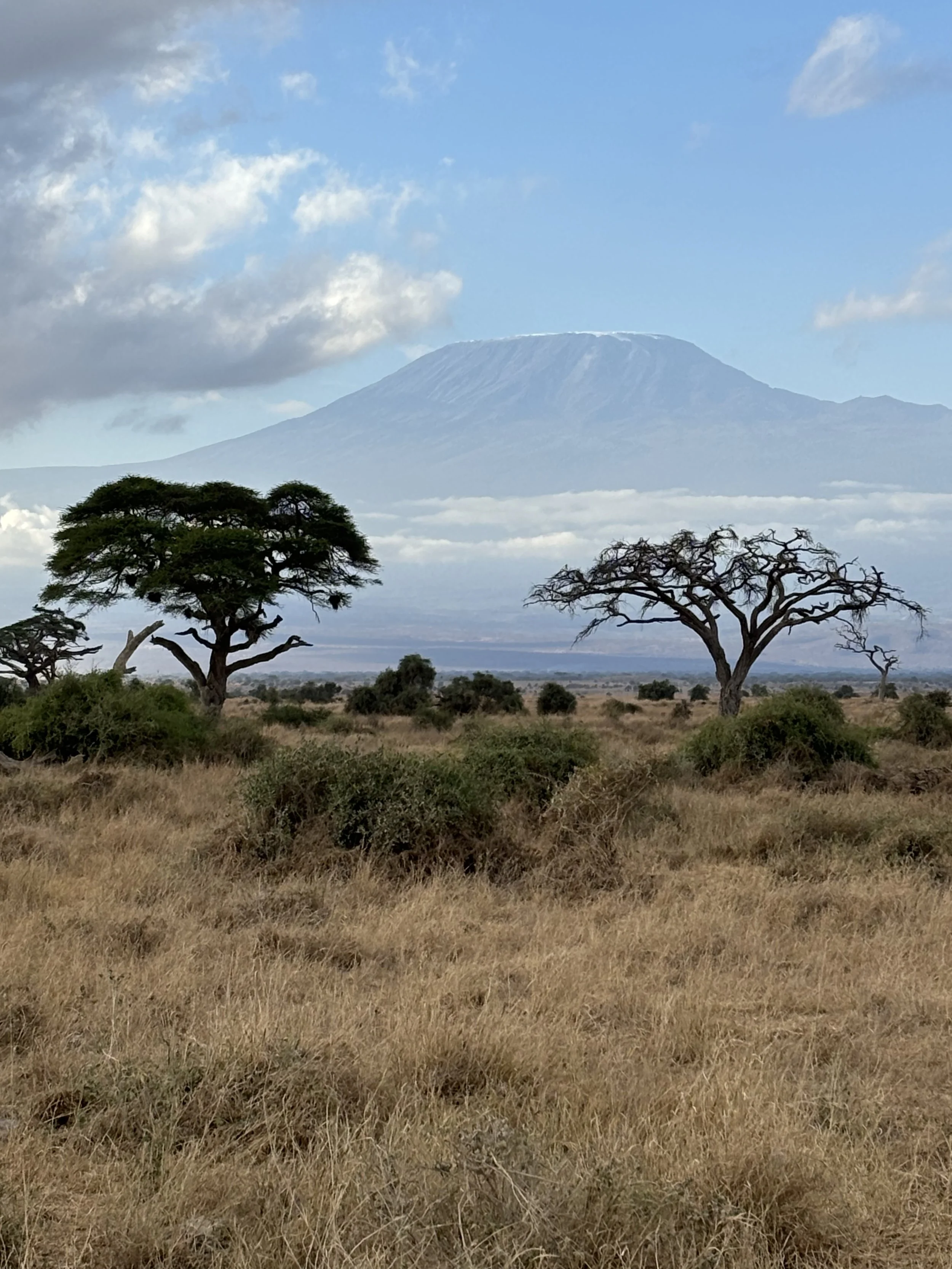
My Kilimanjaro is the major source of water for the Amboseli region. The snow caps melt and the water travels underground in volcanic rivers to arrive on the savanna. The concern is that the snowfall has been less each year. It is forecast that by 2040 Mt Kilimanjaro will no longer have a snow cap.
We soon saw our first new species of the day.
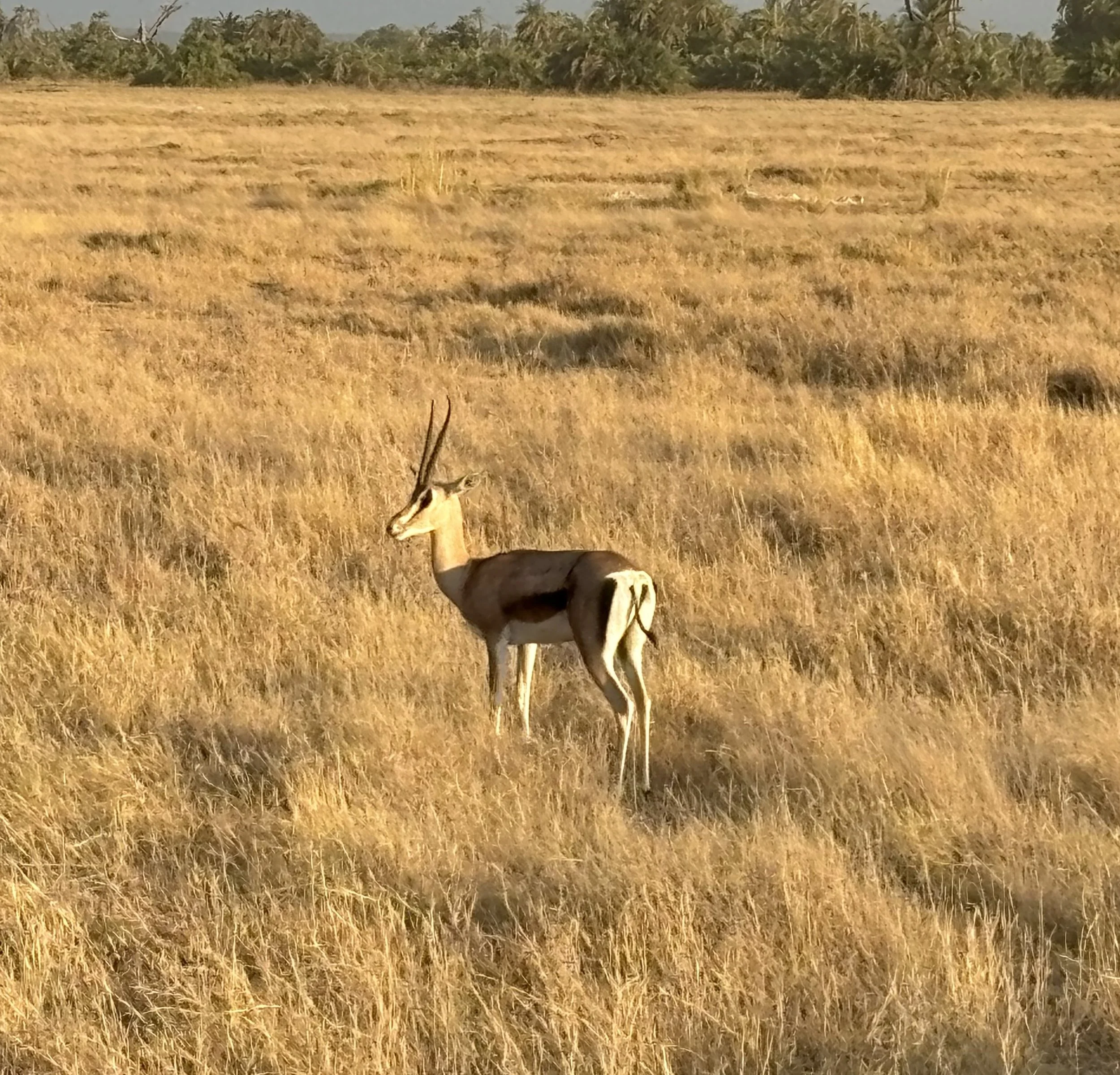
The Grant gazelle wears white pants.
We soon came across a herd of elephants crossing the road ahead of us.
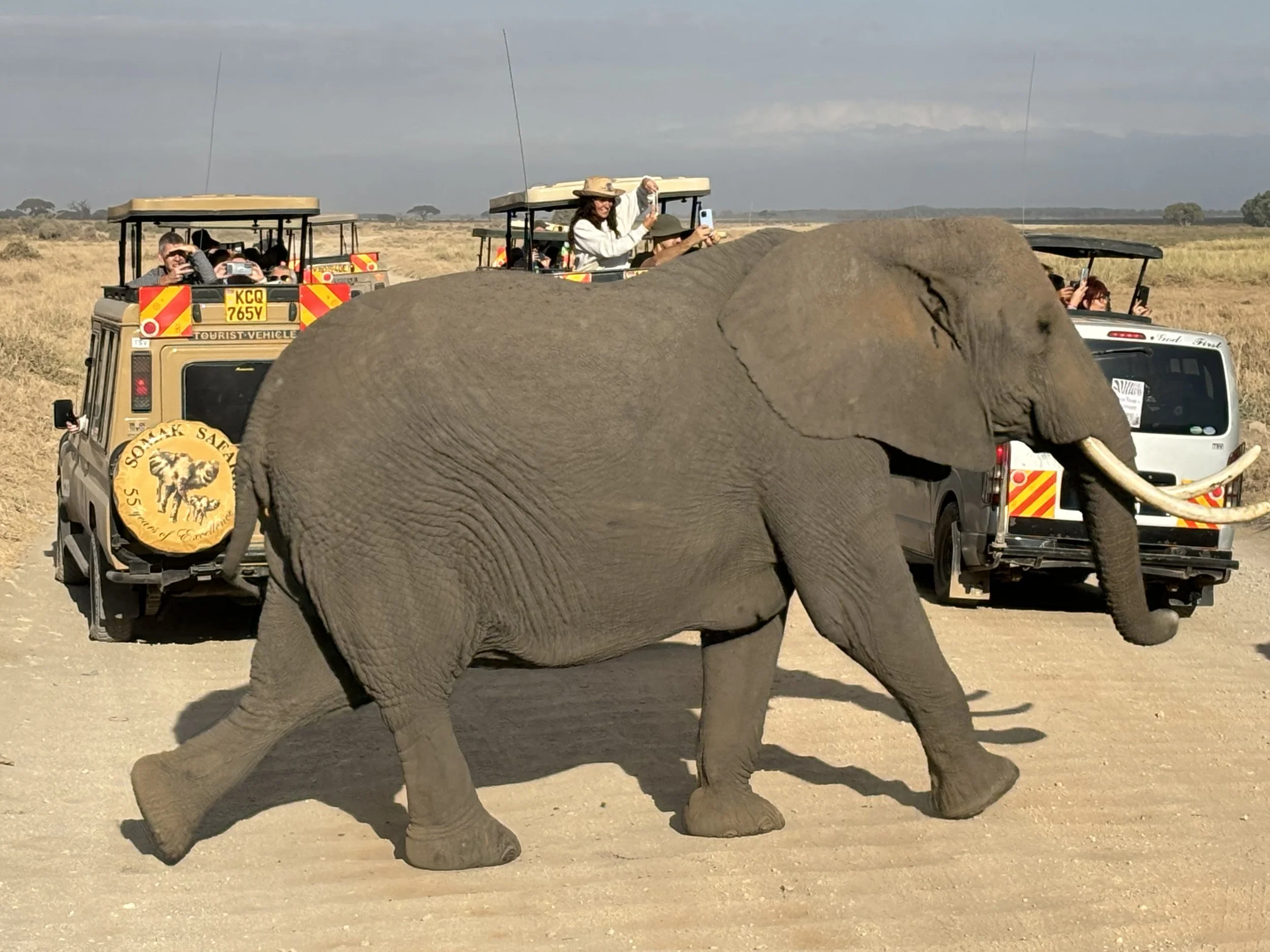
Elephants spend the nights in the forest and their days on the savanna. There is evidence that more elephants are being born with smaller tusks. The theory is that the poachers have killed many of the elephants with large tusks. The remaining elephants that breed have smaller tusks as do their descendants.
We next encountered a troupe of baboons.
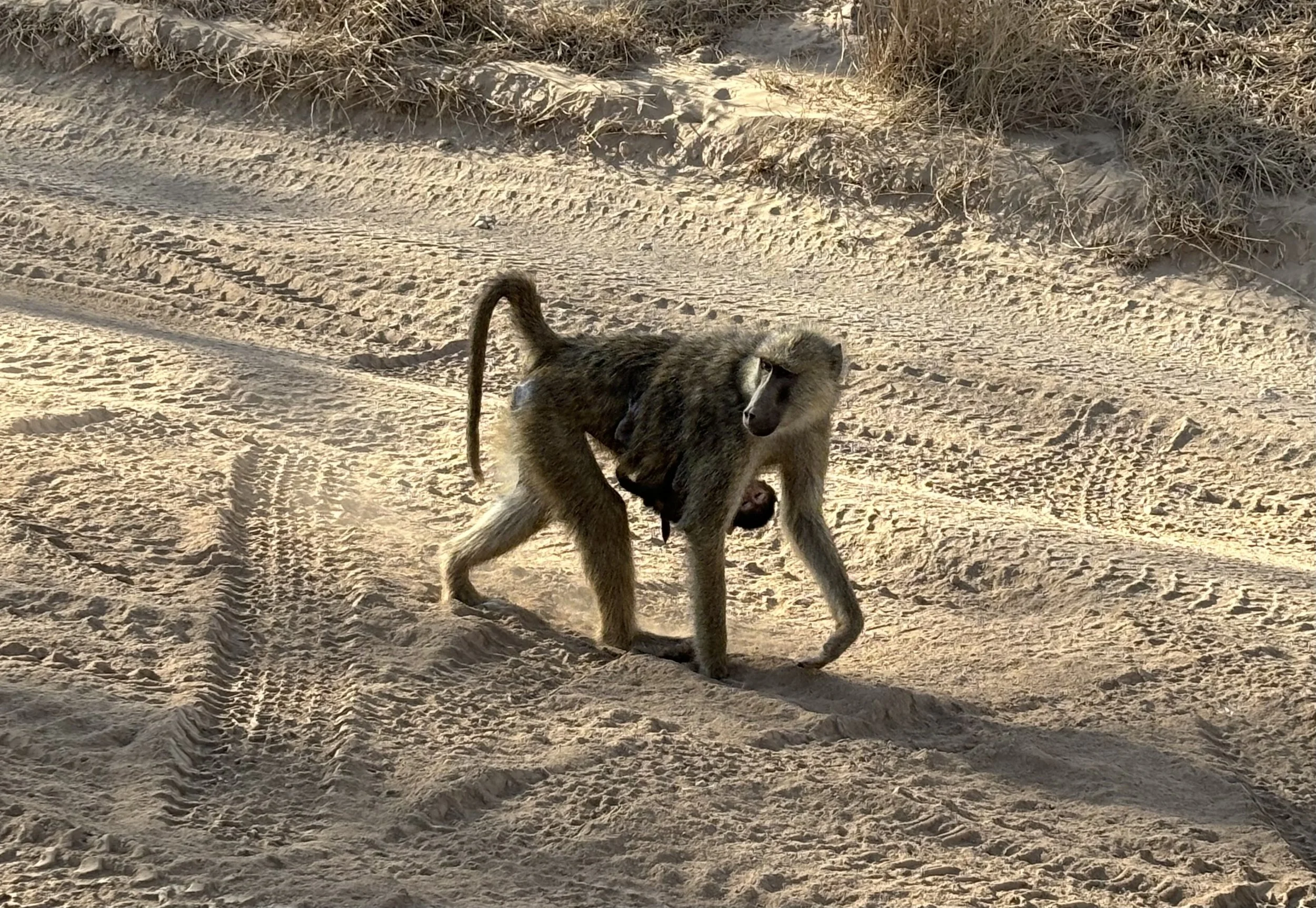
The baby baboons cling tightly to their mother’s stomach. Don’t let go!
No morning game drive is complete without siting a lion or two.
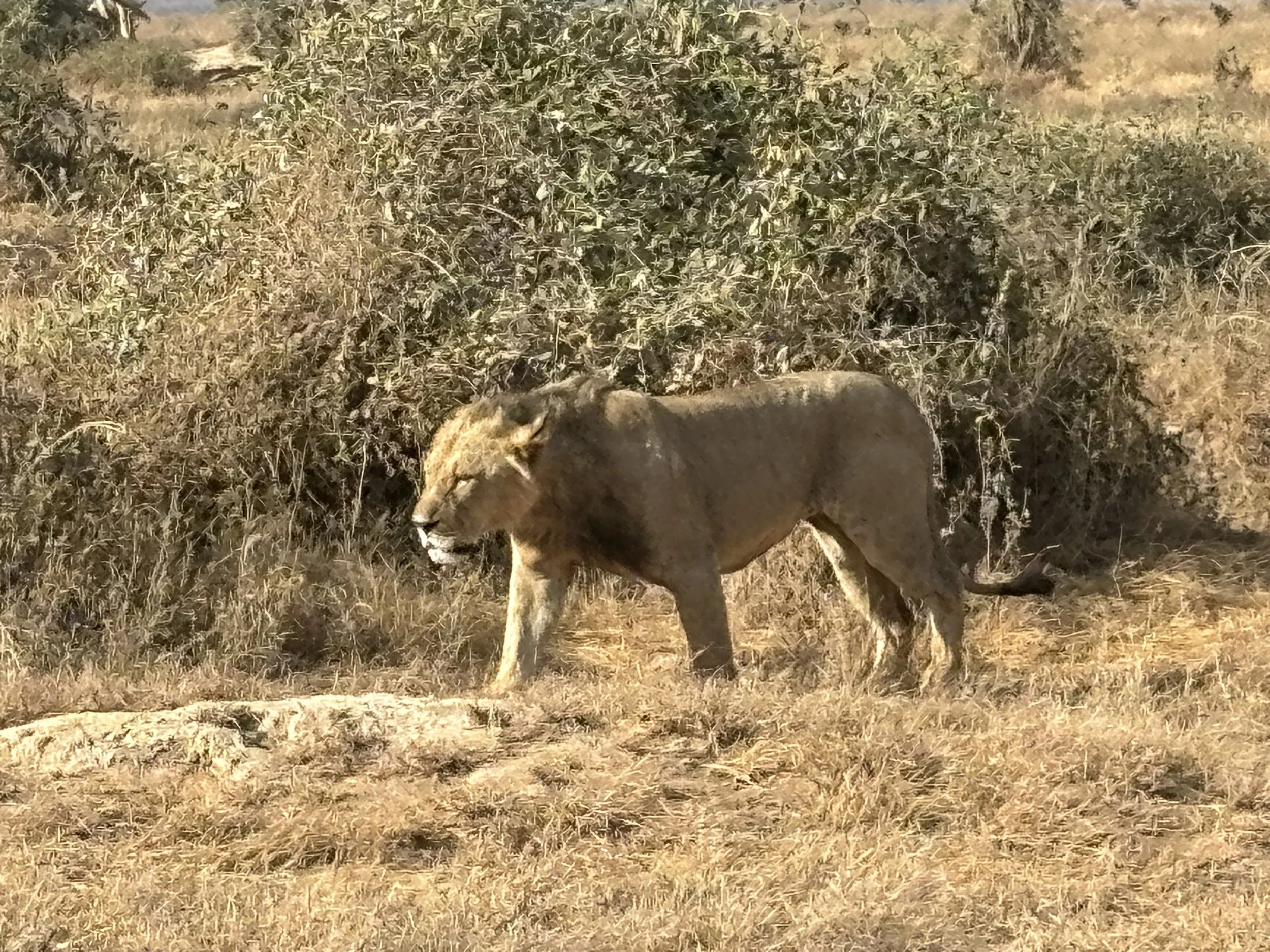
We saw all those animals before 9:00 am. We returned to our hotel for breakfast and to get ready for our visit to the Maasai village.
Ernest Hemingway and his second wife spent a lot of time in Amboseli. This is where he wrote his famous short story “The Snows of Kilimanjaro.”
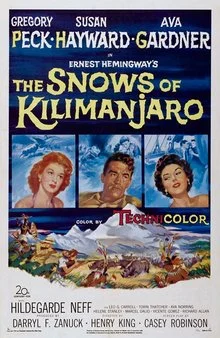
The main theme of The Snows of Kilimanjaro by Ernest Hemingway are the constant presence of death, reminding the reader not to waste life or talent because we can never be sure of our own death, lost opportunity or failed talent, redemption and traditional roles of the sexes.
The story was written in 1936 and the movie was released in 1952.
Only five out of our group of 28 visited the Maasai village. My travel mantra is “when will I ever be here again? Probably never, so let’s see and do everything we can.”
It was a short but very bumpy ride the Maasai village. The Maasai do not have cars or trucks so they walk everywhere. Smooth roads are not a priority for the Maasai.
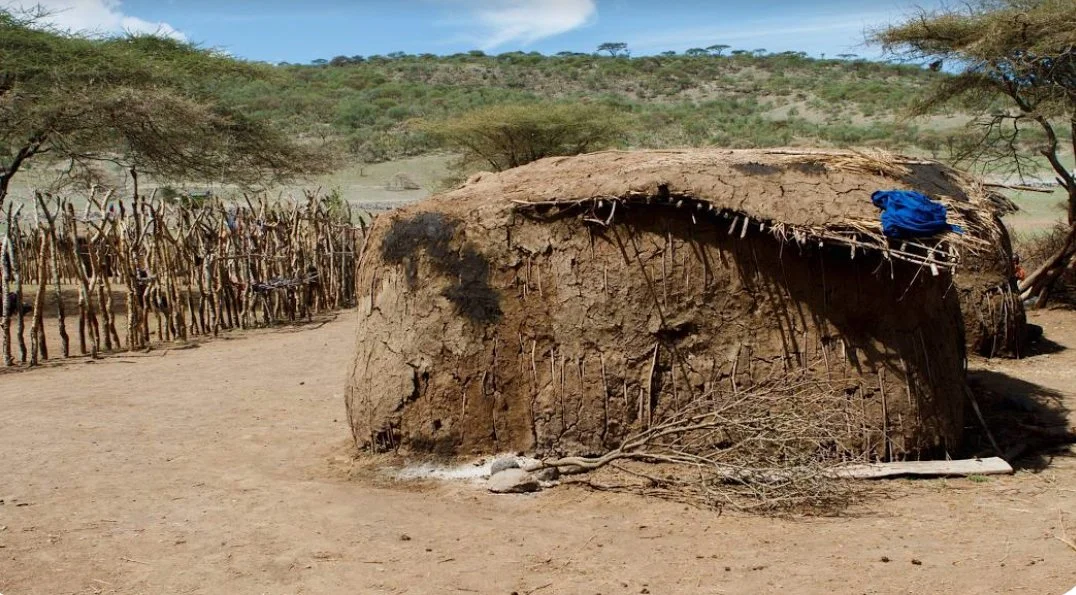
We were greeted by Jackson the son of the chief. The tribe lived in mud huts. The chief and his four wives live in a three story home down the road. Jackson explained that the son of the chief will become the chief when the current chief retires. Jackson’s goal is to have five wives. He has one wife that was chosen by his parents. His next wife will be chosen for love.
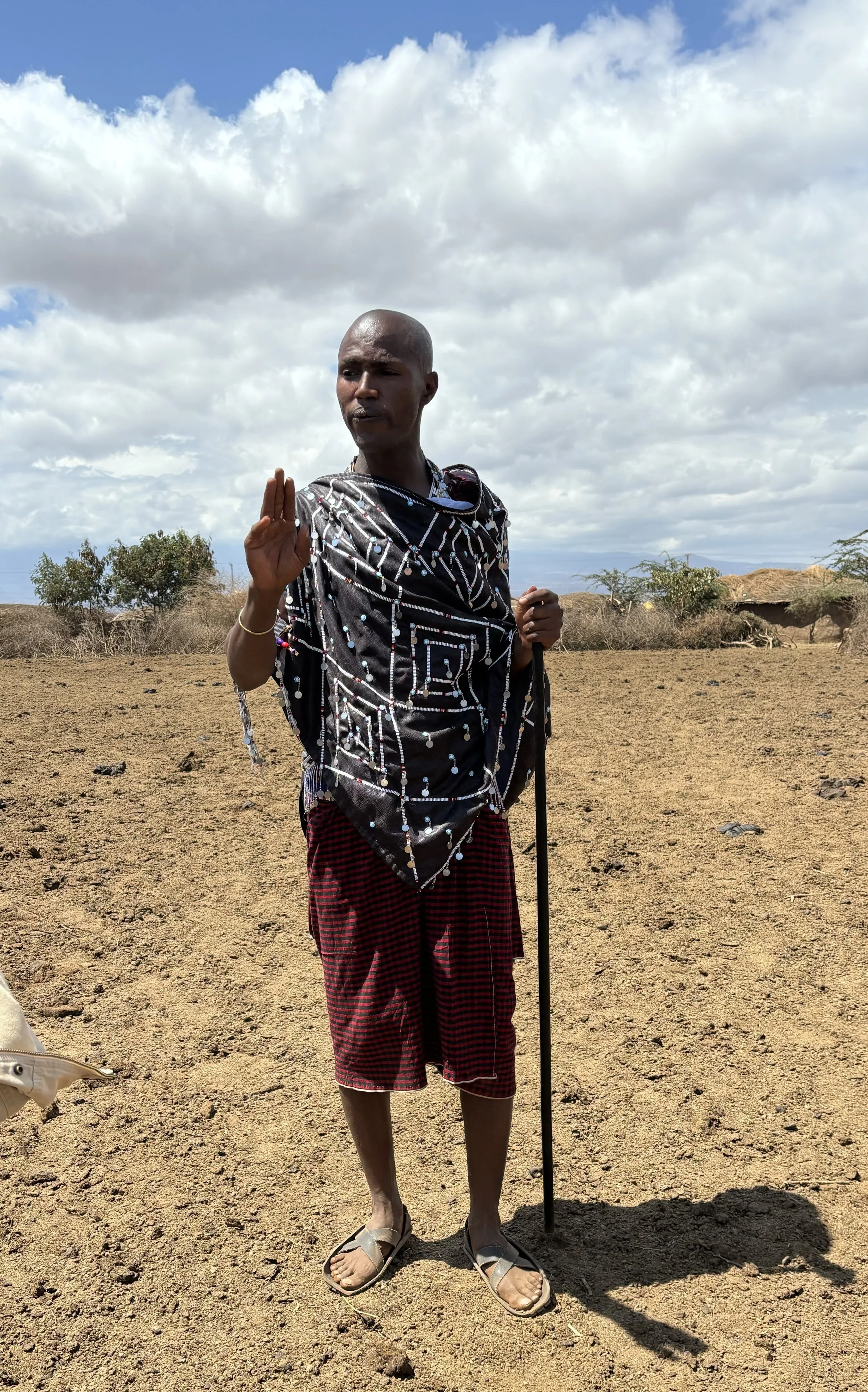
The entire village came out to dance for us. They were all dressed in their most colorful outfits.

Eventually our group was invited to dance with them. Part of the performance is jumping high in the air from a standing position. The Maasai can jump really high.
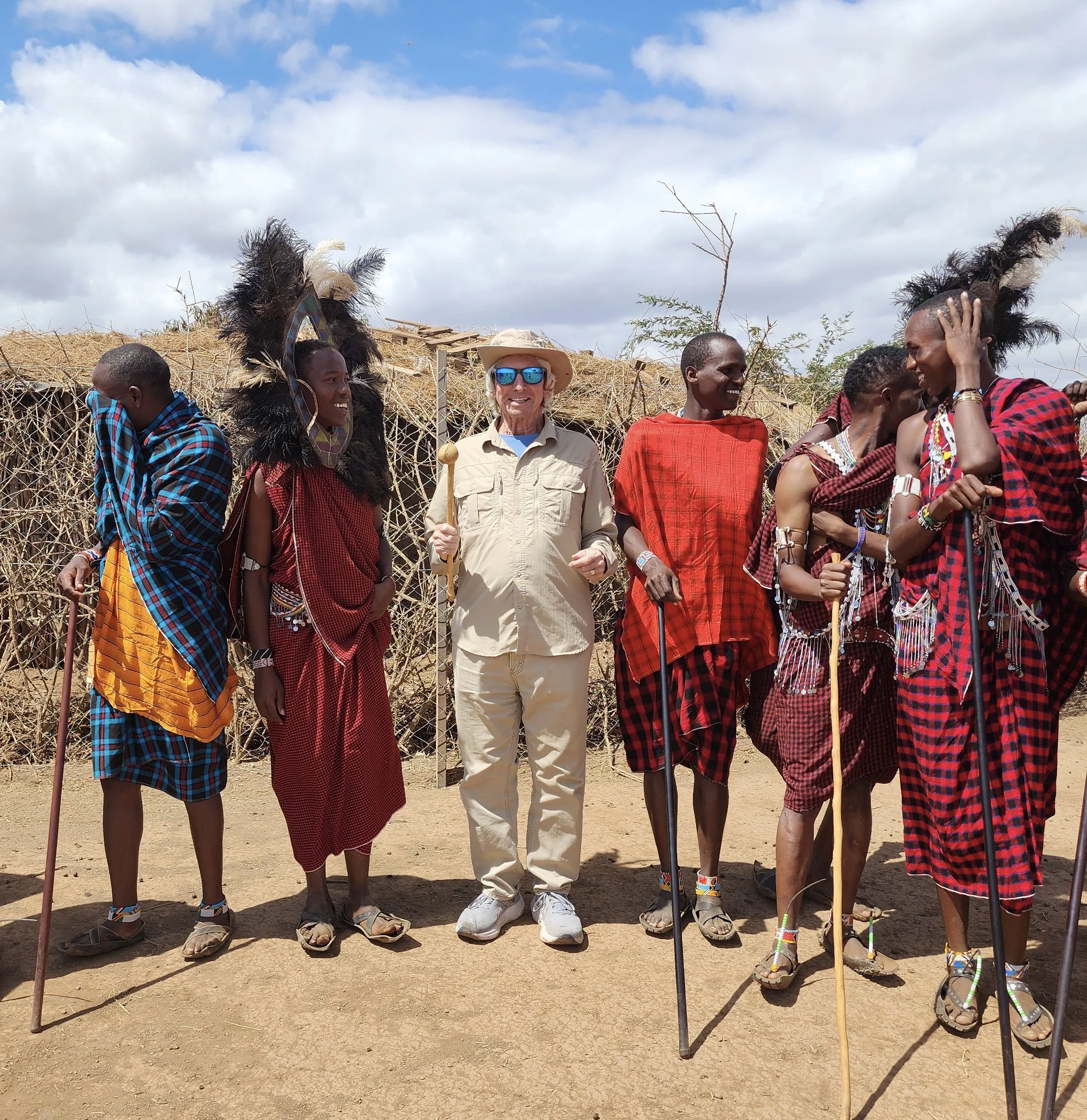
White men can’t jump. It was fun chanting and dancing with them. Yes, that is me in the middle in my full safari costume.
Next we were introduced to the son of the medicine man. He will also replace his father when his father retires.
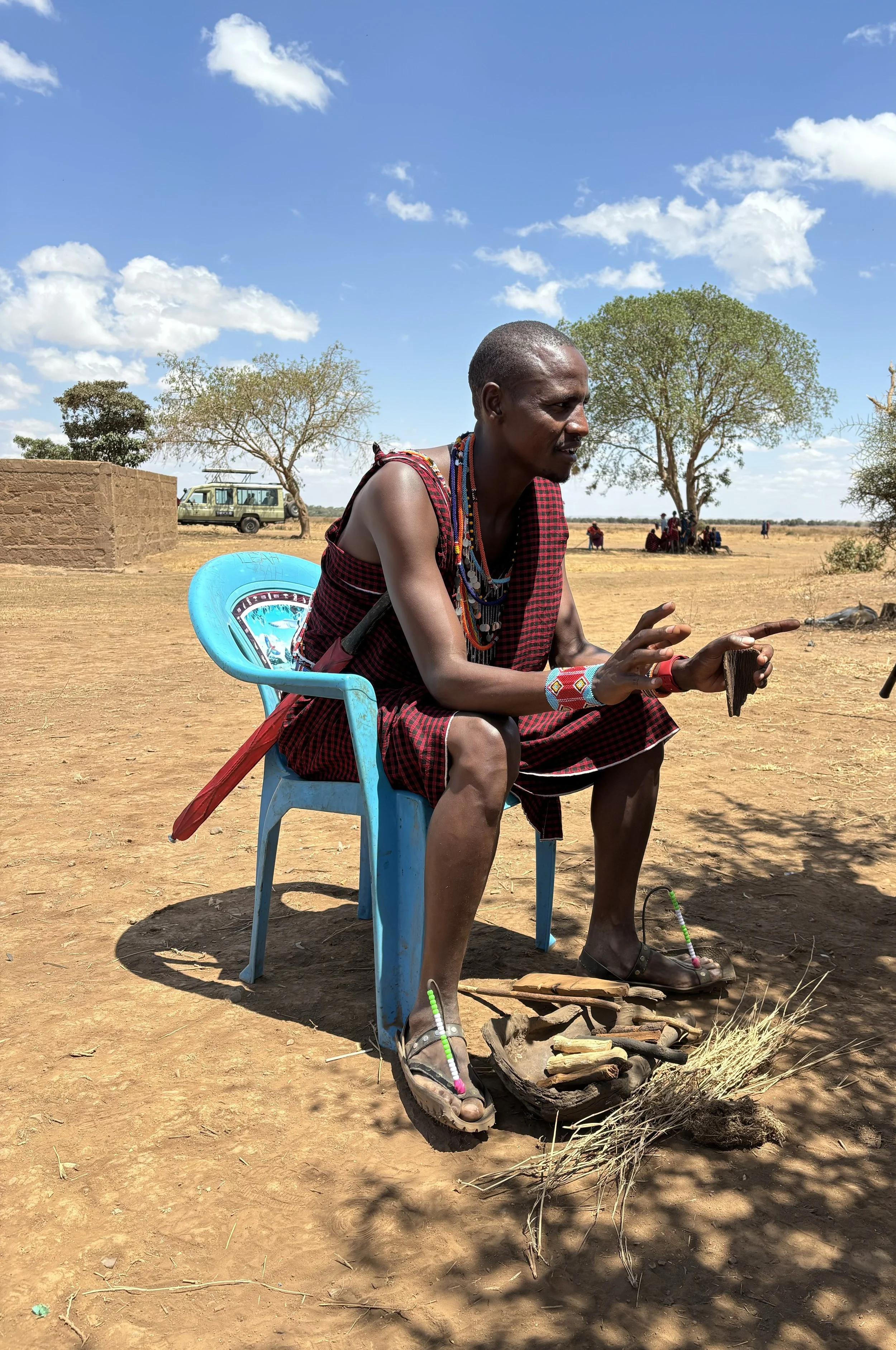
The medicine man and his son had just returned from a weeklong trek to collect medicinal herbs for the tribe. If the medicine man does not a son he will adopt a boy from the village. According to the chief’s the average life span for Maasai men is 95 years and Maasai women live to be 110. When they die they are buried 18’ underground. That is what he said. That is a lot of digging.
I fact checked Jason the chiefs son on his claims. According to Google the life expectancy of the Maasai is 55 -60 years. When a Maasai dies their body is left in the savanna without ceremony to be eaten by scavengers.
The next activity was lighting a fire by rubbing two sticks together.
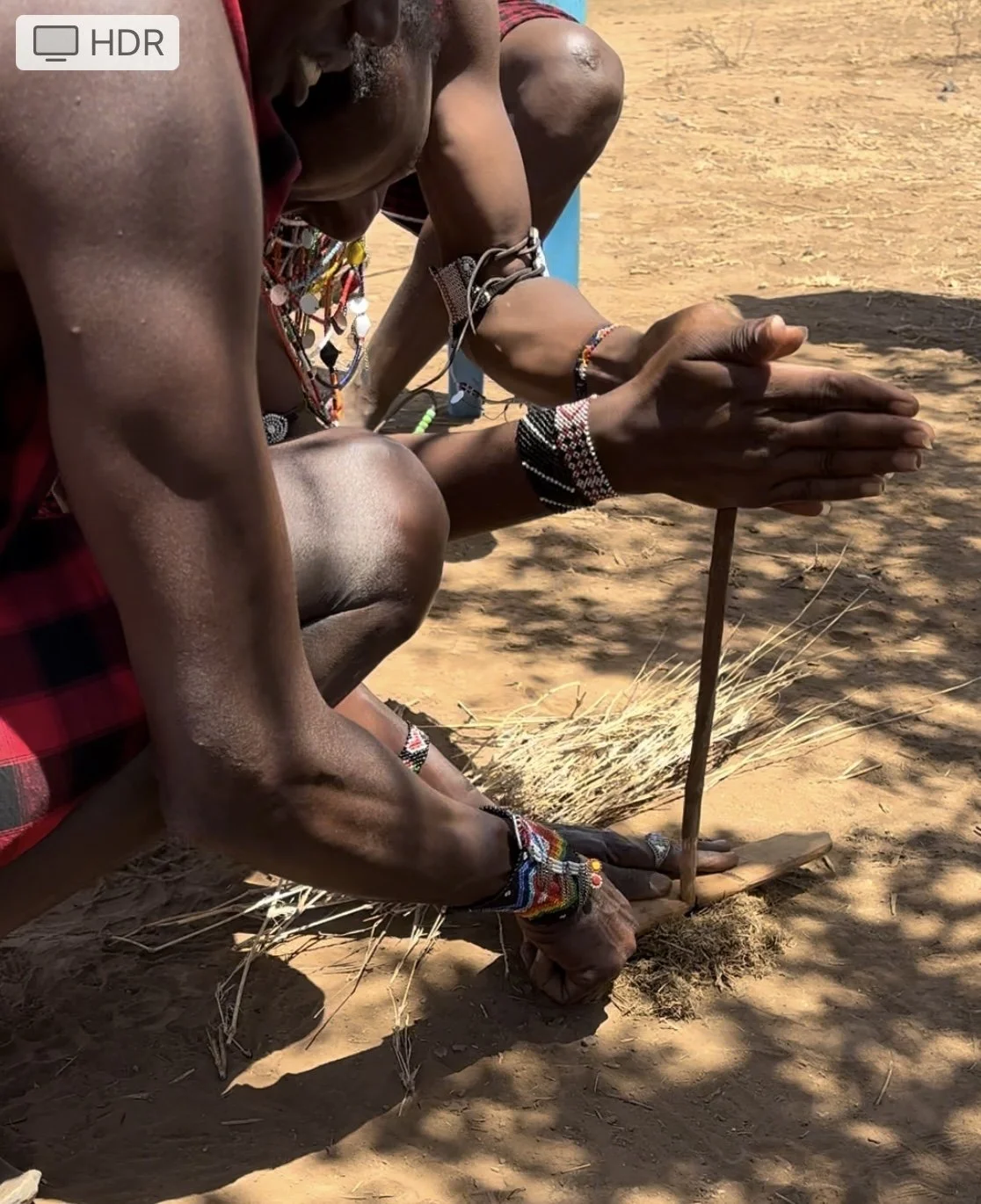
It took them 2 minutes and 13 seconds to get a flame. They used straw and elephant dung.
Next we were invited to visit their homes. Their village is built with two concentric circles of fences. The outer fence keeps the wild animals out and the inner fence creates a coral for their domestic animals each night. The cows, sheep, goats and donkeys are grazed by day and are protected in the coral at night. Between the fences are there houses made of cow dung and ash. The women are responsible not building the houses. Each home has a low entrance and three tiny rooms with no running water or electricity. No door and no windows. Dirt floor and dirt everything.
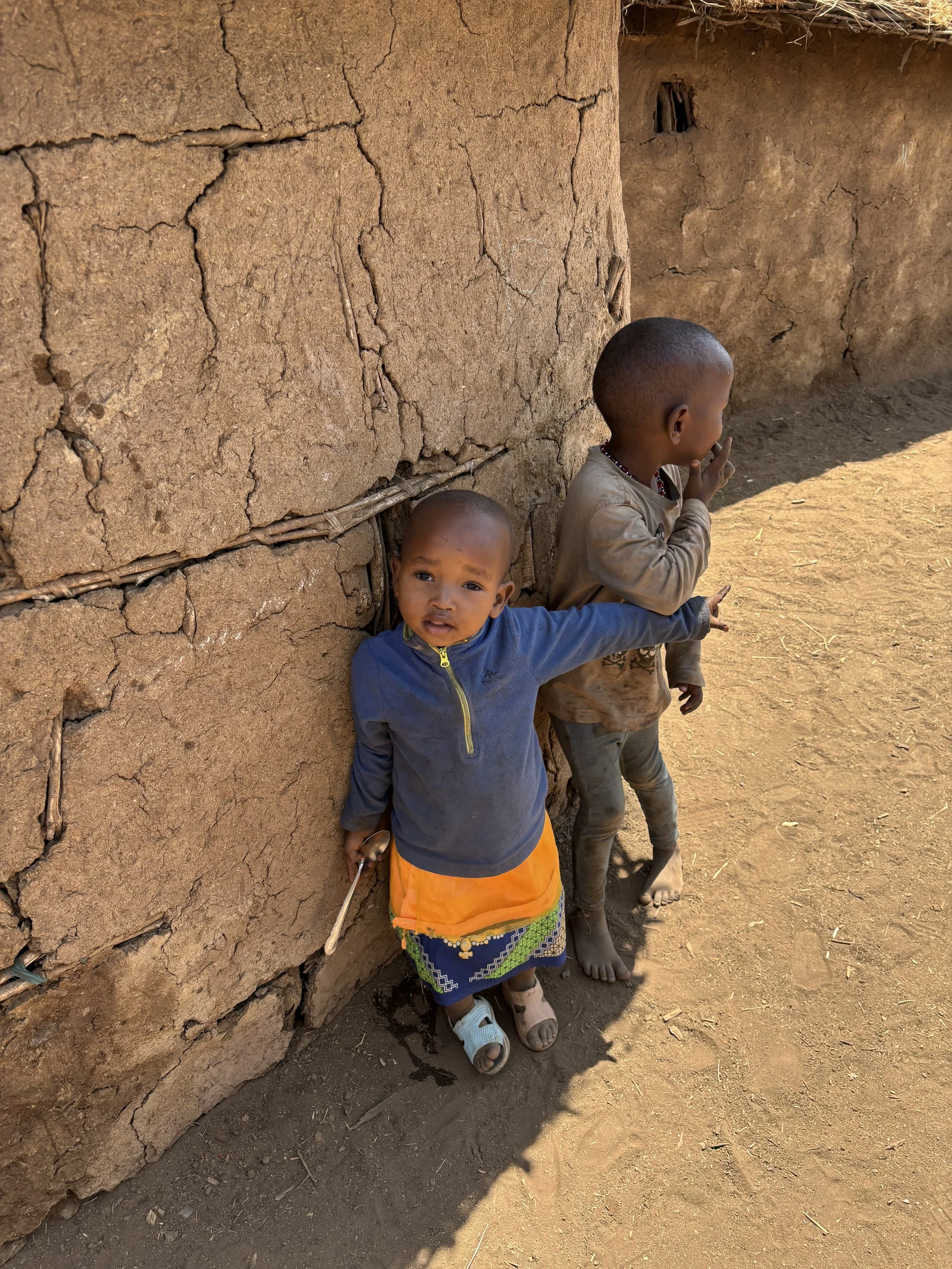
The children came to greet us. They are cute as can be.
The final activity was walking the gauntlet of vendors. They all have the same tourist crap as everywhere else except theirs is ten times more expensive. We bid the Maasai farewell and bounced our way back to our hotel.
We had a short time to relax before our next game drive at 4:30 pm. We are still in search of the black rhino to complete our Big Five.
I did research the Ugly Five.
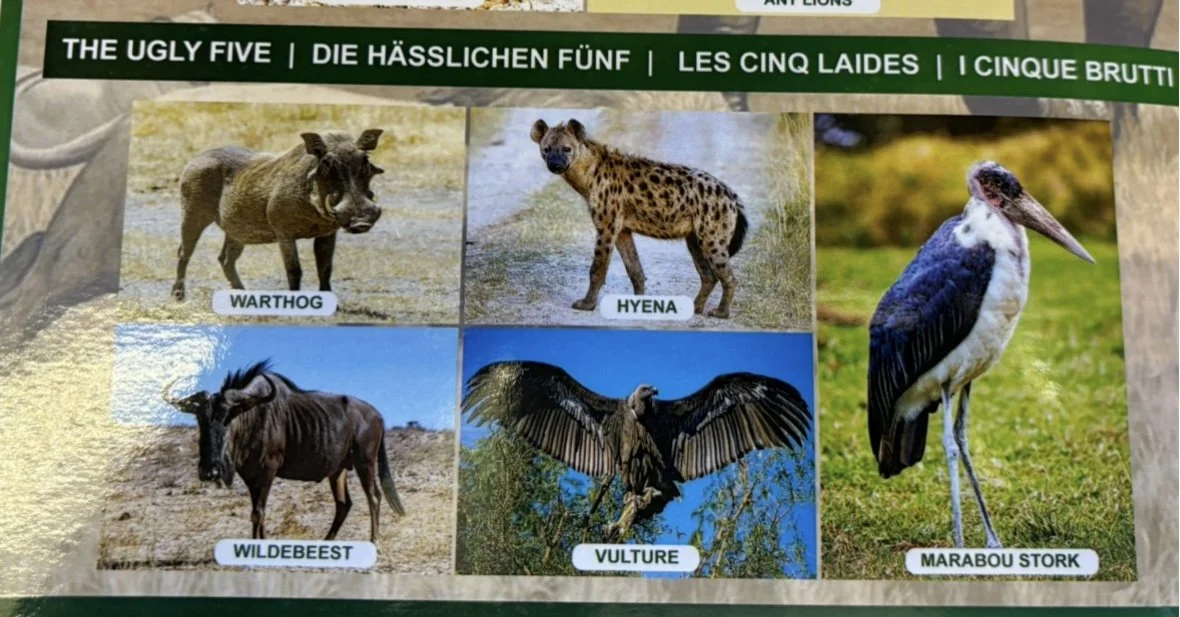
The ugly five is the hyena, warthog, vulture, wildebeest and maribou stork. I have posted pictures of the warthog, hyena and wildebeest. I have seen many vultures flying above lion kills. I have not year seen a maribou stork.
Our game drives are always magical but this afternoon was a little different. There is always dust everywhere but today there is also a major dust storm. The driver asked if we thought he should close the roof. I said yes. The other couple were non committal so the driver left it open. In my opinion the best time to prepare for a dust storm is before it hits.
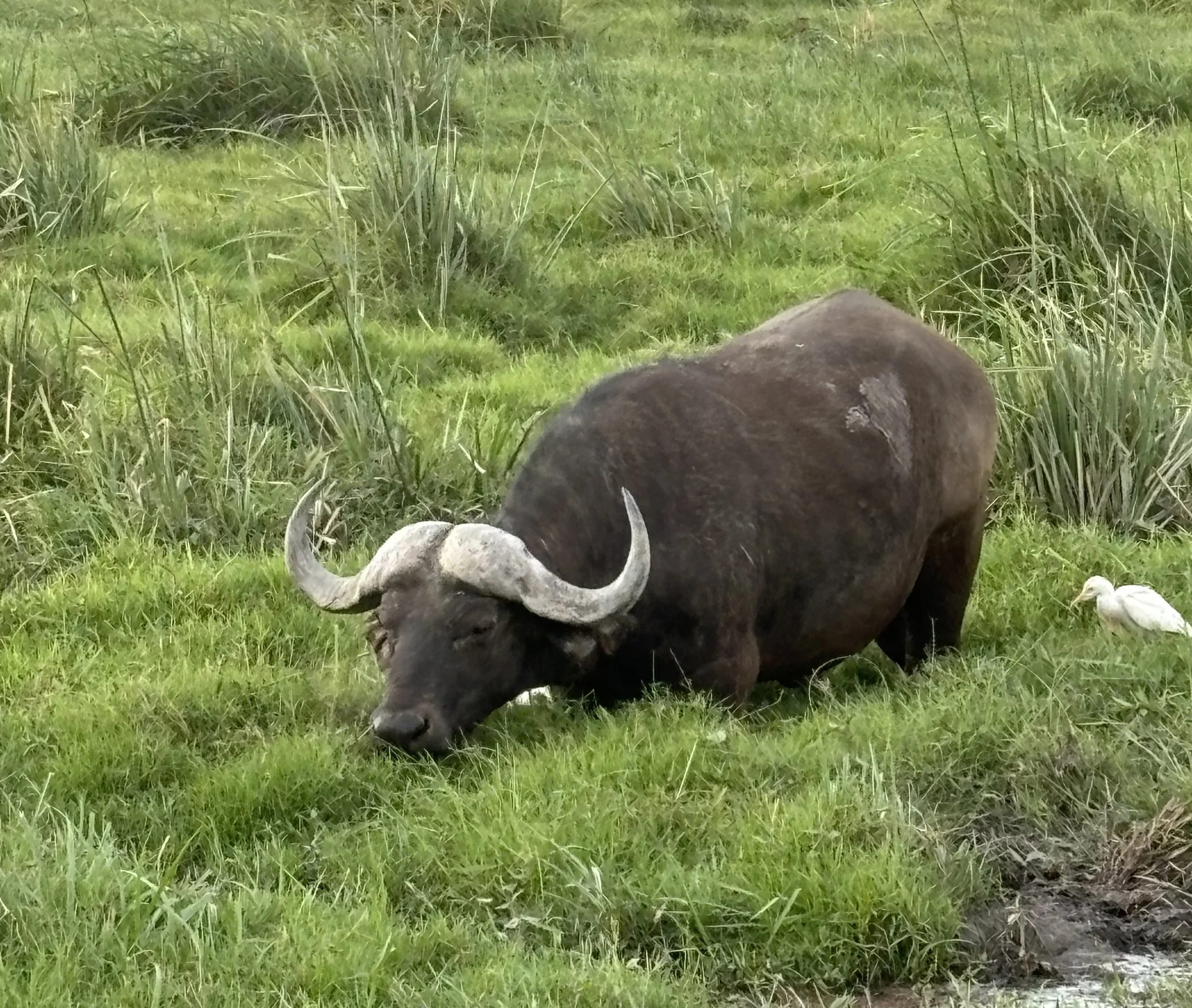
In a short distance we came upon a Cape Buffalo. Then the dust storm hit and the driver scrambled to close the roof before we all choked to death.
The next photo was worth all the drama. A herd of elephants were crossing the road at sunset.
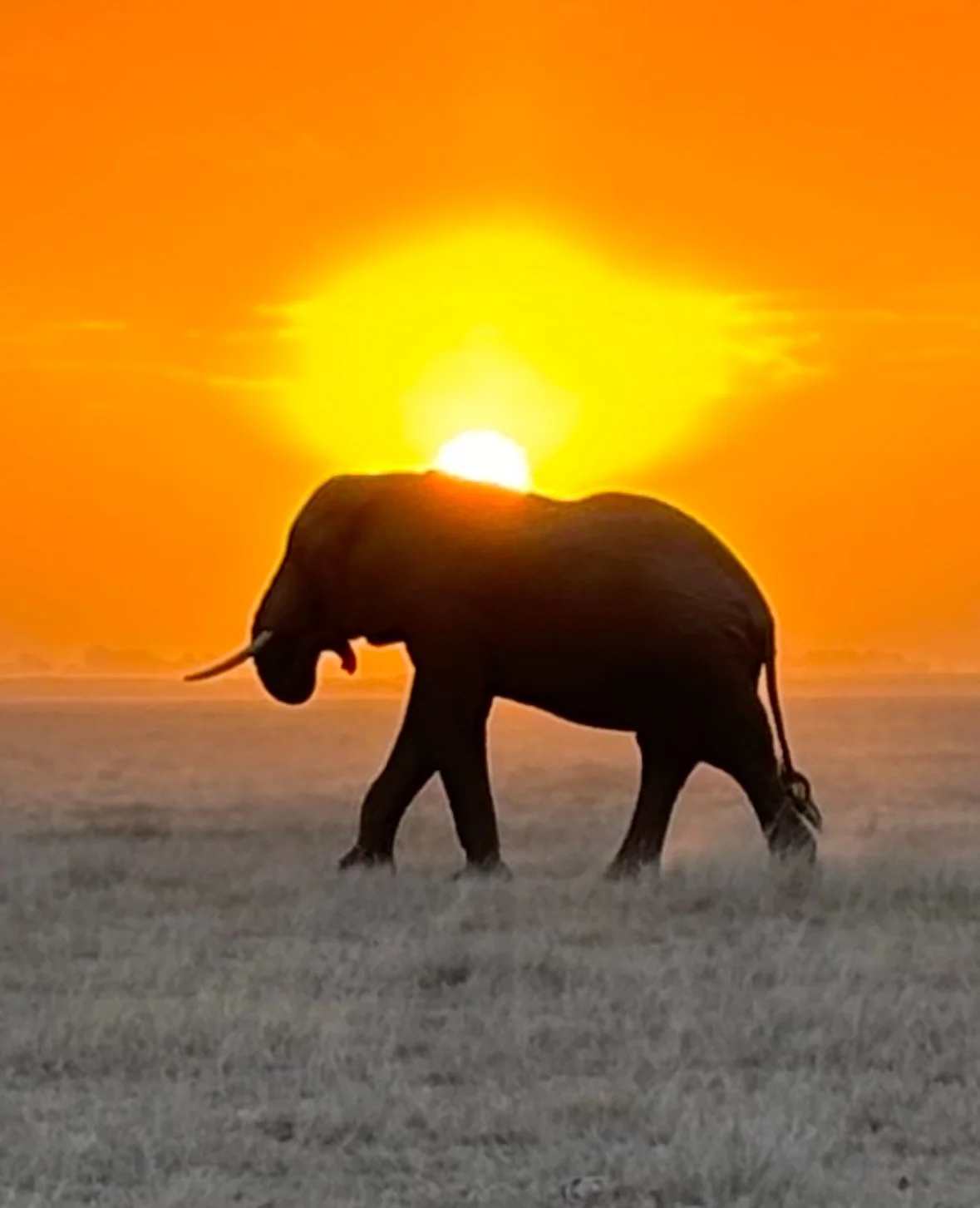
This is my favorite photo of the trip so far.
We returned to the hotel to get ready for dinner. Every meal is a buffett. We joined our fellow travelers for a sundowner before dinner. The same musician was back again.
He was playing Rhythm of the Rain by Gary Lewis and the Playboys. Who ever plays that but me? He is a really good musician.
Tomorrow is an early travel day. Luggage outside the door by 5:45 am and into the Jeeps by 6:30 am. Then a short ride to the Amboceli airstrip.